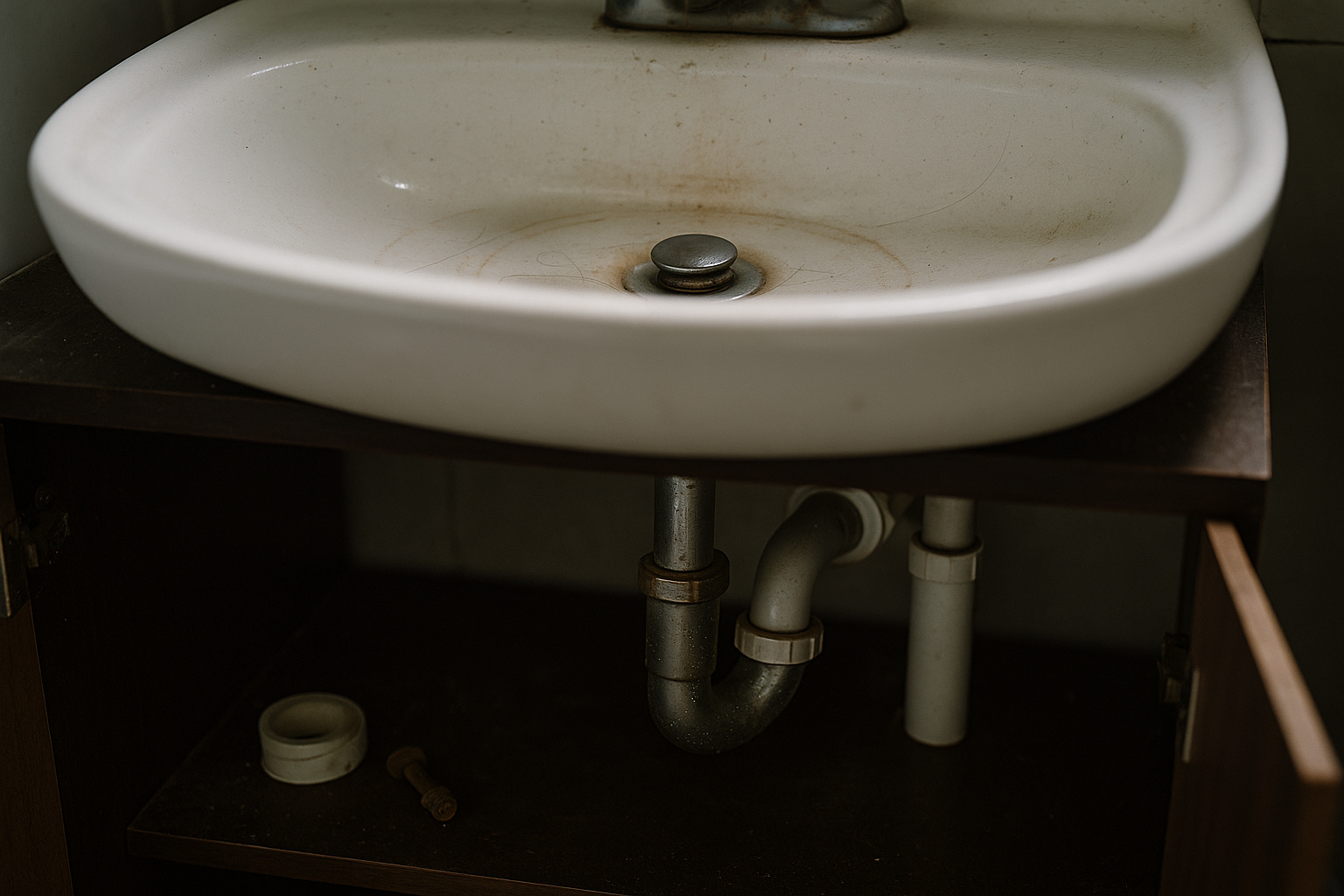
Slow Drain Repair Contractor: Services, Pricing Factors, and How to Choose
Slow Drains 101: Why They Happen and Why You Should Act
Outline of this guide: - Understanding causes and risks of slow drains - What a specialized contractor actually does - Pricing factors and how quotes are built - How to evaluate and select a reliable pro - Maintenance steps and a practical conclusion.
A slow drain is the plumbing equivalent of a warning light on your dashboard: easy to ignore at first, potentially costly if left alone. Drains slow when water flow is restricted by buildup (soap scum, fats, hair), mineral scale in hard-water areas, or a mechanical fault such as a sagging pipe, failing trap, or obstructed vent. In multi-fixture homes, patterns matter. A single sluggish bathroom sink usually points to a local blockage. Multiple fixtures backing up at once, especially on lower floors, often signal a main line or venting issue.
Basic geometry and physics shape every drain. Most household sinks use 1¼–1½ inch lines, tubs and showers commonly 1½–2 inches, and main lines typically 3–4 inches. The larger the pipe, the more flow it can carry, but only if slope and venting are adequate. Many building standards call for gentle slopes to keep water moving while solids settle predictably; too flat invites stagnation, too steep can leave solids behind. Vents allow air to replace water in the pipe, preventing negative pressure that can slow drainage or siphon traps dry, leading to odors.
Ignoring slow drains brings compounding risks. - Moisture and biofilm can nurture bacteria and produce sulfurous odors - Prolonged pooling stresses sealants and can seep into cabinetry - Chronic backups raise the chance of overflow and water damage - Repeated chemical quick-fixes may degrade older metal or rubber components. Homeowners often notice telltales beyond a lazy whirlpool: gurgling after flushes, bubbles rising in a nearby sink when another fixture drains, or a faint sewage smell near floor drains. These clues help a contractor trace the problem’s location and cause.
Acting early generally costs less. Clearing a localized obstruction is usually straightforward, while deferred maintenance can escalate into pipe replacement or root removal. Think of your drain system as a hidden network that wants steady airflow and smooth walls. When that network slows, a trained eye can separate symptom from source and design a repair plan that restores flow without guesswork.
What a Slow Drain Repair Contractor Actually Does
A slow drain repair contractor blends diagnostics with hands-on remediation, moving systematically from observation to proof. The first step is a focused intake. A pro will ask when the problem started, which fixtures are affected, what cleansers or tools have been tried, and whether issues worsen at specific times (like after showers or laundry). Those details guide tool choice and testing order.
Inspection follows. - Visual checks: trap condition, cabinet moisture, staining, corrosion, signs of previous repairs - Flow tests: timed basin and tub drains, simultaneous fixture operation to reveal vent restrictions - Listening: gurgles or hisses that indicate negative pressure or partial blockage - Odor tracing: localized smells hint at dried traps or cracked fittings. For deeper certainty, many contractors deploy small inspection cameras to map the inside of pipes, assess buildup, identify offsets or “bellies,” and spot intrusions like fine roots. A camera video doesn’t just confirm a clog; it documents pipe material, joints, and access points for future maintenance.
Once the cause is identified, the tool kit comes out. Hand and drum augers are common for nearby hair and soap obstructions. Sectional machines provide torque and reach for longer runs. Water-driven methods, such as hydro-jetting, use high-pressure streams to scour biofilm and grease off pipe walls and flush debris downstream. Each method has trade-offs. - Augers excel at puncturing and retrieving compact blockages but can leave a film behind - Jetting cleans the circumference thoroughly yet costs more and may require a suitable cleanout - Enzyme-based maintenance treatments can help prevent regrowth but are slower and not a cure for solid blockages.
Contractors also repair underlying defects. Replacing a corroded trap, adjusting slope where accessible, reseating gaskets, or adding a code-compliant cleanout can turn a chronic slow drain into a stable system. In buildings with venting woes, smoke or peppermint tests can reveal leaks at hidden joints. Where tree roots invade older lines, cutters combined with jetting and a follow-up camera pass verify clearance.
Compared to DIY efforts, a contractor brings calibrated equipment, safety protocols, and the judgment to avoid collateral damage. Overuse of caustic chemicals, for instance, can harm older metals or soften certain seals; a pro selects remedies suited to the pipe material and age. The deliverable is not just a cleared drain, but a documented diagnosis and a path to keep flow reliable.
Pricing Factors, Typical Ranges, and How Quotes Are Built
Prices for slow drain repairs vary because plumbing systems and access conditions vary. A transparent quote usually has three parts: diagnosis, remediation, and any recommended repairs or maintenance. Understanding what drives each line item helps you compare proposals apples-to-apples without surprises.
Common pricing factors include: - Access: a clear, nearby cleanout reduces time; tight cabinetry or finished walls add labor - Pipe material and age: older cast iron may require gentler techniques than newer plastic - Fixture type: kitchen lines with grease films often need more thorough cleaning than a hair-clogged lavatory - Length and complexity: long runs, multiple bends, or suspected bellies increase effort - Time and scheduling: after-hours or weekend calls typically carry premiums - Add-ons: camera inspections, sanitation, and haul-away of debris or old components.
Typical, non-binding ranges in many regions: - Service call and diagnostic: 75–200 USD - Basic auger clearing at a sink, tub, or shower: 125–350 USD - Toilet auger service: 100–250 USD - Camera inspection with video: 150–400 USD - Hydro-jetting for a branch line: 300–800 USD depending on length - Main line clearing: 350–900 USD, more if multiple passes are needed - Trap replacement or reseal: 150–450 USD including parts - Cleanout installation (accessible location): 250–650 USD. Keep in mind that multifamily buildings, older homes, or complicated layouts can skew higher due to access and risk management.
Quotes should spell out what’s included and what triggers change orders. - Is a follow-up camera pass included to verify cleaning? - How many feet of line are covered before per-foot charges apply? - Are minor parts (washers, seals) included, and what’s the rate for additional materials? - Is there a warranty on the cleaning or repair, and for how long? Written scope prevents misunderstandings and helps you evaluate value rather than just headline price.
Cost-savvy tips: - Combine services during one visit (clear the kitchen and bath lines together) to minimize minimum charges - Ask for photo or video documentation so you are not paying for blind guesses - Request maintenance recommendations tailored to your water quality and usage habits - Consider scheduling non-urgent work on regular business days. While low price can be appealing, a thorough fix that addresses root causes often saves money over repeat callouts.
How to Choose and Vet a Slow Drain Repair Contractor
Selecting a contractor is part detective work, part risk management. You want someone who will diagnose precisely, fix safely, and communicate clearly. Start by confirming credentials. Licensing ensures a baseline of competence and accountability in your jurisdiction. General liability coverage and, where applicable, workers’ compensation protect both parties if something goes wrong. Ask to see proof, not just assurances.
Experience matters, but relevance matters more. A contractor who routinely handles older cast iron stacks, slab homes, or high-rise venting systems brings pattern recognition to those environments. Equipment is another filter. - Does the contractor carry both augers and jetting capability or have access to it? - Are inspection cameras standard on slow-drain calls, or only used after a failed clearing attempt? - Do they stock common traps, gaskets, and fittings on the truck to resolve issues in one visit?
Communication style is a predictor of project success. You should receive a clear explanation of the suspected cause, evidence that supports it, and alternatives with pros and cons. Look for contractors who provide written scopes with photos or video stills from inspections. A helpful proposal will define success criteria such as “restore full basin drain within X seconds” or “verify open vent path via smoke test” so everyone knows what “done” looks like.
Ask focused questions: - What tests will you perform before choosing a method? - If the first method doesn’t work, what’s the second step and why? - Will you verify results with a camera or timed flow test? - How do you protect fixtures and finishes during the work? - What maintenance do you recommend to prevent a repeat? Honest, detailed answers indicate a methodical approach rather than trial-and-error.
Watch for red flags. - Vague, flat “one-size” prices for all clogs regardless of fixture or access - Reluctance to document findings or provide a written scope - Heavy push for chemical quick-fixes without diagnosing cause - No mention of venting, slope, or cleanouts when symptoms suggest systemic issues. Finally, weigh reviews and referrals for patterns, not perfection. A handful of strong, specific reviews about communication and cleanliness can be more telling than dozens of generic stars. Choose a contractor who sets expectations, measures results, and stands behind the work with a reasonable, written warranty.
Conclusion and Maintenance Roadmap for Lasting Drain Health
A successful slow drain repair is only half the story; the other half is keeping flow steady long after the contractor leaves. Maintenance turns reactive fixes into predictable, low-effort routines. The goal is to minimize buildup, preserve vent function, and catch changes early. A practical roadmap blends simple habits with periodic checkups matched to your household’s usage and water quality.
Start with daily and weekly habits. - Use drain strainers in showers and sinks to intercept hair and food scraps - Run hot water for 20–30 seconds after soapy tasks to move residues downstream - Wipe greasy pans with a paper towel before washing to limit fats in kitchen lines - Avoid flushing wipes and fibrous materials, even those labeled as flushable - Once a week, fill a sink or tub and release the full basin to create a scouring surge. These actions reduce the film that slows water and shortens the interval between professional cleanings.
Monthly and seasonal steps build resilience. - Consider an enzyme-based maintenance dose for lines prone to biofilm; these biological cleaners work gradually without the harshness of caustics - Inspect under-sink traps for moisture, corrosion, or stains that hint at tiny leaks - Walk the property to note large trees near buried lines; slow drains after rains can hint at root intrusion - Test lesser-used fixtures and floor drains to keep traps wet and odor-free. If your home has hard water, periodic descaling of aerators and accessible traps can help minimize mineral buildup.
After a repair, ask your contractor for a simple service log and thresholds. For example: “If the upstairs shower takes longer than X seconds to clear, call us; if gurgling resumes at the kitchen sink, schedule a vent check.” Timed benchmarks and annotated photos from the initial camera pass make it easy to spot changes months later. Pair that with a calendar reminder for a quick annual review, especially in older homes or those with complex layouts.
In closing, slow drains don’t have to be a recurring storyline in your home. With a thoughtful contractor and a modest maintenance routine, you can turn guesswork into clarity and costly emergencies into routine tune-ups. Prioritize clear diagnostics, written scopes, and documented results; back them up with simple, steady habits. The payoff is quieter plumbing, cleaner fixtures, and the everyday ease that comes from water going where it should—swiftly and out of sight.