Advantages and Disadvantages of Prefabricated Steel Structure Buildings
Walk past a modern warehouse, sports hall, or logistics hub and there is a fair chance its skeleton was shaped long before trucks reached the site. Prefabricated steel construction has become a serious option because it promises speed, cleaner execution, and dependable structural performance. Still, no material wins every contest. Understanding where prefabricated steel shines and where it asks for careful compromise helps buyers and builders make smarter decisions.
This article follows a clear outline before moving into deeper analysis:
- What prefabricated steel structure buildings are and how they are assembled
- The major advantages that make them attractive in modern construction
- The disadvantages and technical challenges that deserve close attention
- How they compare with concrete, masonry, and timber in cost and performance
- Who should choose them, and how to evaluate whether they fit a project
1. What Prefabricated Steel Structure Buildings Are and Why They Matter
Prefabricated steel structure buildings are buildings whose main structural components are manufactured in advance, usually in a factory, then transported to the construction site for assembly. Instead of shaping every column, beam, truss, and connection under shifting weather conditions, the project team relies on pre-engineered or custom-fabricated parts that arrive ready for installation. In practical terms, this means a building can move from drawings to production to erection with a level of consistency that is difficult to achieve through purely site-built methods.
The core system usually includes steel columns, rafters or beams, roof purlins, wall girts, bracing members, and connection plates. Depending on the project, it may also include composite floor systems, insulated sandwich panels, metal decking, and facade elements. Structural steel is chosen because it offers a high strength-to-weight ratio. Common structural grades can deliver yield strengths in the range of about 250 MPa or more, allowing frames to carry heavy loads while remaining relatively slender. That is one reason steel buildings often feel open and adaptable: fewer bulky load-bearing walls are needed.
These buildings matter because modern construction increasingly values predictability. Factory fabrication makes dimensions more precise, helps reduce material waste, and can support tighter quality control procedures. A manufacturer can cut, weld, drill, and coat components using standardized processes and inspection routines. On site, crews focus more on positioning, bolting, and sequencing than on making every structural element from scratch.
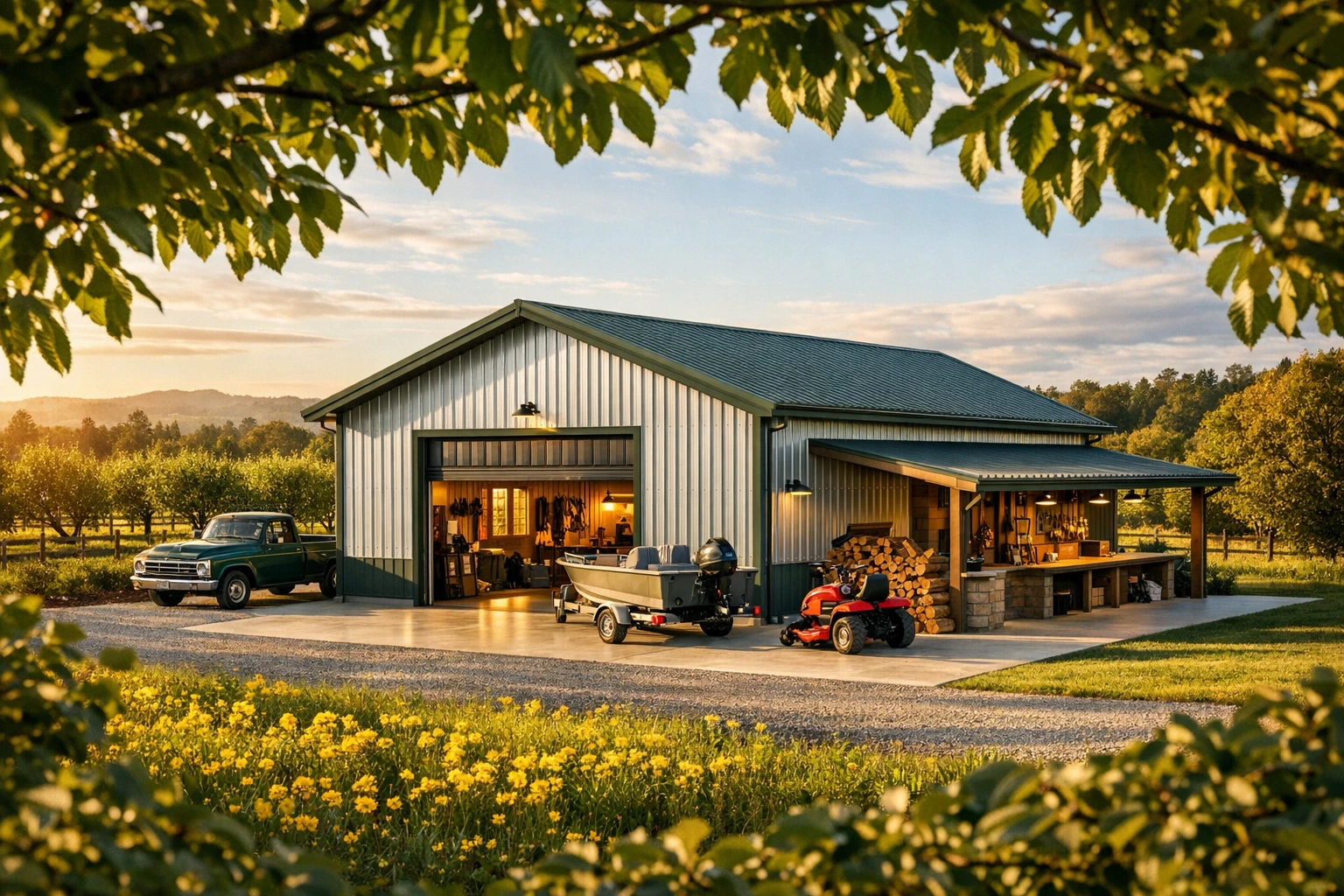
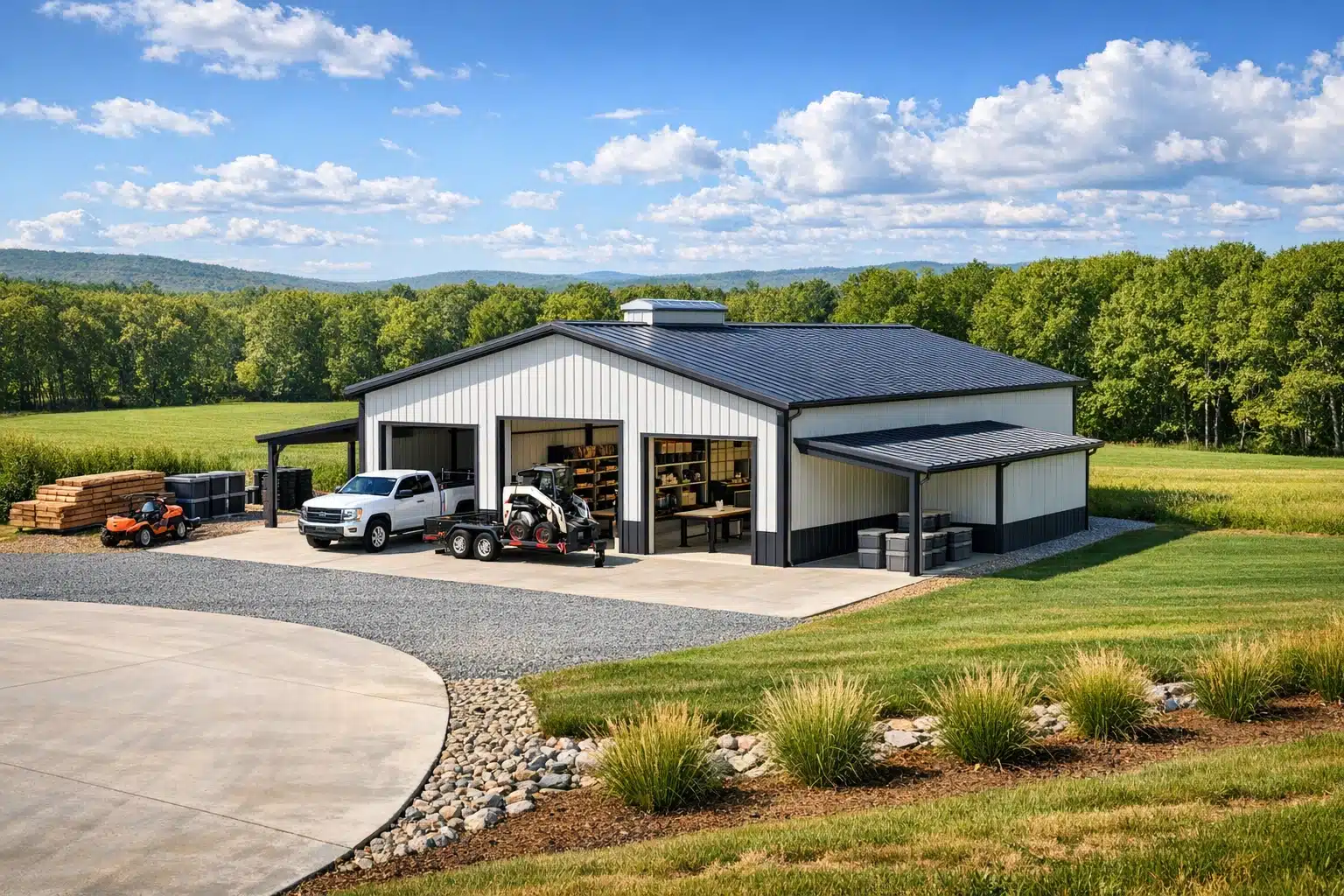
Prefabricated steel is especially common in projects where speed and clear spans matter. Warehouses, industrial sheds, aircraft hangars, agricultural buildings, schools, retail shells, and sports halls frequently use this method. It is also growing in modular mid-rise construction, where steel frames are integrated with off-site manufactured room units or volumetric modules.
There is, however, an important distinction between “prefabricated” and “simple.” Some steel buildings are straightforward portal frames, while others are highly engineered systems that must account for wind loads, seismic design, fire resistance, acoustic control, and thermal performance. Like a well-cut suit, a steel building may look effortless when finished, but its success depends on accurate measurements, disciplined detailing, and coordination among architects, engineers, fabricators, and installers.
2. The Main Advantages of Prefabricated Steel Structure Buildings
The strongest argument for prefabricated steel is speed. Because design, procurement, site preparation, and fabrication can overlap, total project schedules are often shorter than with traditional methods. While foundations are being prepared, steel components can already be in production. Once delivered, erection moves quickly: cranes lift members into place, crews bolt them together, and the primary frame can rise in days or weeks rather than months, depending on size and complexity. On a busy project, time behaves like money wearing a hard hat, and shorter timelines often mean lower financing costs, earlier occupancy, and faster revenue generation.
Precision is another major advantage. Factory conditions allow tighter tolerances than many site-built environments. CNC cutting, automated drilling, and controlled welding procedures help produce components that fit together more reliably. Better fit can reduce rework, lower installation errors, and improve the quality of follow-on trades such as cladding, roofing, and interior systems.
Steel also delivers excellent structural efficiency. Its strength-to-weight ratio means lighter frames compared with some concrete systems, which can reduce foundation loads and, in some cases, foundation costs. Long spans are easier to achieve, making steel particularly useful when a building needs open floor space for equipment, storage, vehicle circulation, or public assembly. That is why large logistics facilities and sports venues so often lean toward steel.
Other practical benefits include:
- Adaptability for future expansion, especially in industrial and commercial buildings
- Cleaner job sites with less wet work and reduced on-site material handling
- A high recycled content in many steel products and full recyclability at end of life
- Reduced dependence on weather for manufacturing, since much of the work happens indoors
Sustainability is another reason many developers consider steel. Structural steel is one of the world’s most recycled materials, and many products contain substantial recycled content. Off-site fabrication can also reduce scrap by optimizing cutting patterns and inventory use. That does not make steel automatically “green,” because steel production is energy-intensive, but in projects where durability, disassembly, and recycling matter, it can compare favorably over the full life cycle.
Finally, prefabricated systems improve planning discipline. Because so much is decided earlier, clashes between structure, envelope, and services can be identified sooner through digital modeling and coordination. That front-loaded process may feel demanding, but it often produces a calmer construction phase. In short, the advantages are not just about speed; they are about control, repeatability, and structural freedom.
3. The Disadvantages and Technical Challenges That Cannot Be Ignored
For all its strengths, prefabricated steel comes with real drawbacks, and ignoring them is where budgets start to wobble. One of the most common technical issues is thermal performance. Steel is highly conductive, with thermal conductivity far greater than timber or many insulation materials. If detailing is poor, thermal bridges can form at connections, edges, and framing interfaces, leading to heat loss, condensation risk, and reduced energy efficiency. This means a steel building usually depends heavily on well-designed insulation systems, vapor control layers, thermal breaks, and careful envelope detailing.
Fire protection is another serious consideration. Steel is non-combustible, which sounds reassuring, but it loses strength as temperatures rise during a fire. For certain occupancies and code requirements, structural members may need intumescent coatings, fire-resistant boards, concrete encasement, or sprinkler-based performance strategies. Those measures add cost, design coordination, and maintenance responsibilities.
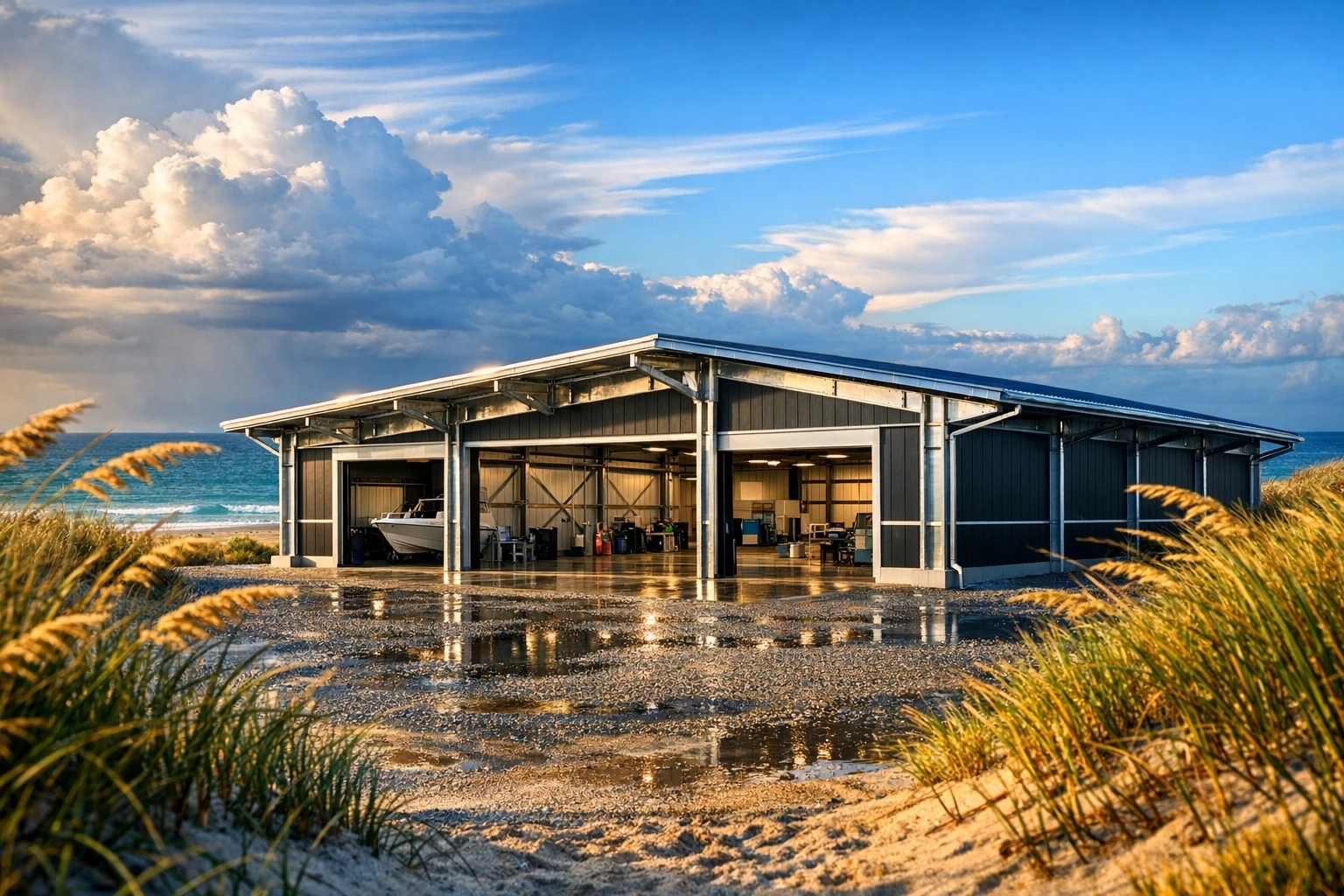
Corrosion is equally important, especially in coastal, humid, or chemically aggressive environments. Galvanizing, protective paint systems, and regular inspections can manage the risk, but they do not remove it. In poorly maintained buildings, corrosion can affect both appearance and structural durability. A steel frame can be impressively strong, yet still be vulnerable to a slow, silent attack from moisture and poor detailing.
Acoustic performance can also be challenging. Lightweight wall and roof systems may transmit sound more readily than heavier masonry or concrete assemblies. In offices, schools, and residential applications, the design may require added acoustic insulation, resilient layers, or more robust facade systems to meet comfort expectations.
There are also logistical disadvantages:
- Large components may require specialized transport permits and route planning
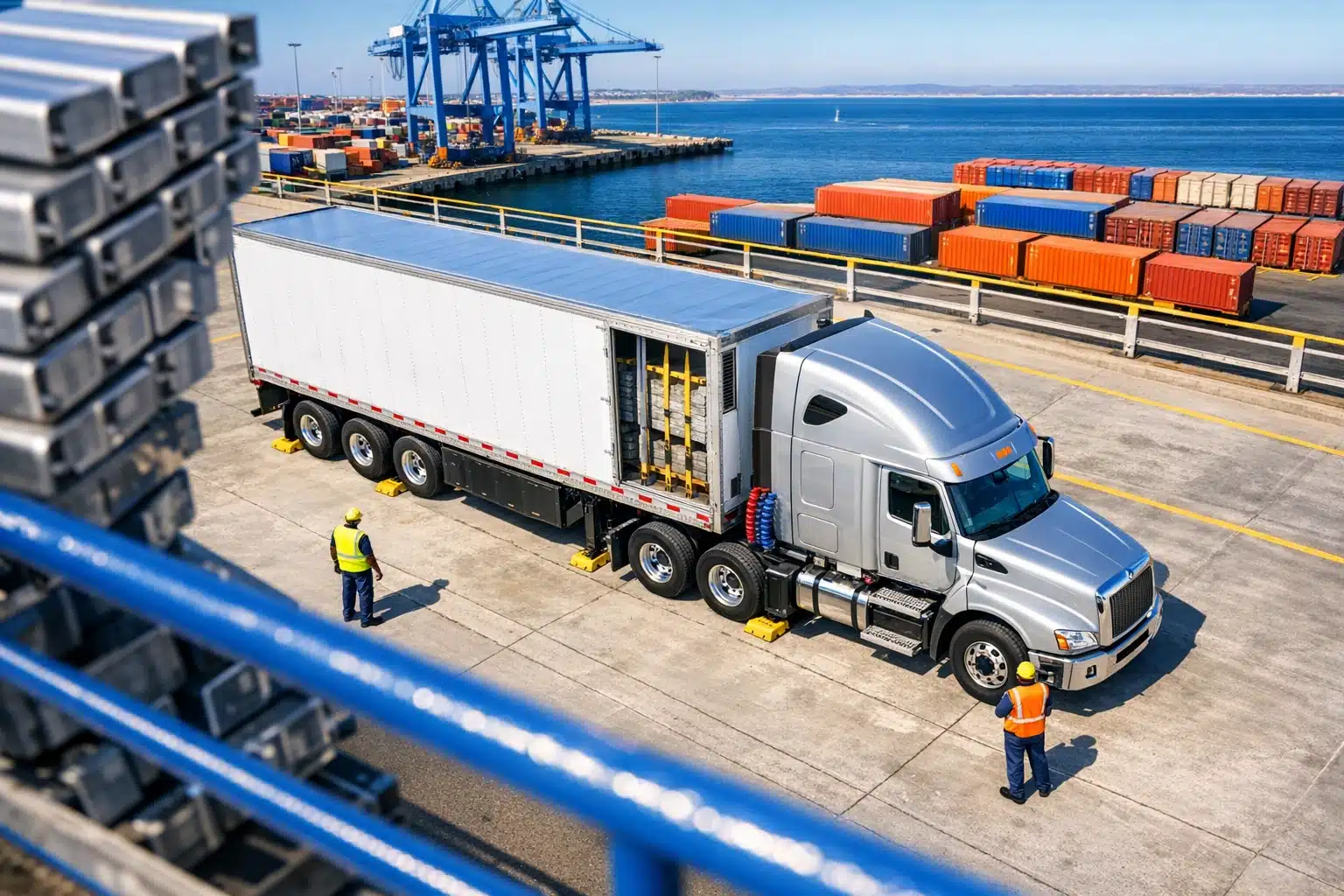
- Cranes and skilled erection crews are essential, which can strain remote or tight urban sites
- Late design changes are often more expensive because fabrication has already begun
- Steel prices can fluctuate with global supply conditions, affecting cost certainty
Another issue is the perception of flexibility. Steel frames are adaptable in the long run, but prefabricated projects often demand decisions early. Openings, penetrations, service routes, and connection details must be coordinated before manufacturing. If the client is still undecided, prefabrication may expose that indecision quickly and expensively.
So the disadvantages are not signs of failure; they are signals that steel requires intelligent detailing and disciplined project management. When the planning is weak, prefabrication can magnify mistakes. When the planning is strong, many of these challenges become manageable rather than fatal.
4. How Prefabricated Steel Compares with Concrete, Masonry, and Timber
Choosing a structural system is rarely about picking a universal winner. It is about matching a material to a building’s purpose, location, schedule, budget, and performance targets. Compared with cast-in-place concrete, prefabricated steel usually offers faster erection and lighter structural weight. Concrete, however, often provides better inherent fire resistance, mass for acoustic control, and thermal inertia. For high-rise cores, basements, and structures exposed to heavy dynamic loads, concrete may still be the more practical choice. In contrast, for distribution centers, manufacturing plants, and large single-story buildings, steel frequently takes the lead because it can span longer distances with less structural depth.
Against masonry, steel generally wins on speed and flexibility. Masonry is durable and visually solid, but it is labor-intensive and slower to erect, especially in regions with weather interruptions. Masonry walls can perform well in durability and sound insulation, yet they add weight and may not suit projects needing large open interiors. Steel frames combined with insulated metal panels or other lightweight enclosures often deliver a faster route to enclosed space.
Timber provides a different comparison. Engineered wood products such as glulam and CLT have earned attention for lower embodied carbon potential and attractive architectural character. For schools, offices, and residential developments that want warmth and visible structure, timber can be compelling. Still, timber has limits regarding moisture exposure, long spans in some applications, and certain industrial conditions. Steel remains strong where high load capacity, long spans, and industrial durability are primary concerns.
From a cost perspective, the answer is nuanced. Initial cost depends on local labor rates, steel pricing, transport distance, code requirements, and finishing standards. In some markets, prefabricated steel may have a higher material cost than alternatives, but lower labor and shorter schedule costs can narrow or reverse the gap. That is why experienced developers often look beyond first cost and study life-cycle value.
A balanced comparison should consider:
- Initial construction cost
- Schedule savings and earlier occupancy
- Maintenance needs over 20 to 50 years
- Energy performance of the envelope, not just the frame
- Future expansion, disassembly, and reuse potential
In life-cycle terms, a well-maintained steel building can perform very well. Bolted connections can ease modification, and recyclable components retain value at the end of service life. But those advantages depend on proper coating systems, good detailing, and realistic maintenance planning. Steel is not automatically cheaper, stronger, or greener in every context. Its real advantage appears when a project needs speed, span, precision, and scalable construction logic.
5. Who Should Choose Prefabricated Steel? A Practical Conclusion for Owners, Builders, and Designers
Prefabricated steel structure buildings make the most sense for people who value schedule certainty, structural efficiency, and expandable space. If a developer needs a warehouse operating quickly, a manufacturer wants a large unobstructed production area, or a school requires a gymnasium with a broad span, steel is often a smart candidate. It also suits projects where site conditions limit prolonged construction activity, since much of the labor can shift off site. In these cases, prefabrication is less like a fashionable trend and more like a disciplined business decision.
That said, steel should not be chosen simply because it sounds modern. Owners need to ask hard questions early. What are the fire rating requirements? How will insulation and thermal bridging be handled? Is the building in a corrosive environment? Can the site accept crane operations and large deliveries? Are design decisions mature enough to support off-site fabrication? When these questions are answered late, steel loses some of its strategic advantage.
For project teams evaluating the option, a practical checklist helps:
- Use steel when program speed is critical and design coordination can happen early
- Budget for coatings, fire protection, and envelope detailing from the beginning
- Compare full life-cycle cost, not just the price of the frame
- Model future expansion needs before fabrication locks in dimensions
- Choose experienced fabricators and erectors with strong quality control records
Designers should also remember that the success of a steel building is not decided only by the frame. Roof and wall assemblies, drainage details, connection design, movement joints, and maintenance access all shape long-term performance. A beautifully fabricated frame can still disappoint if condensation forms behind panels or if coating systems are difficult to inspect and renew. The frame is the backbone, but the envelope is the weatherproof skin, and both must work together.
For the target audience, the clearest takeaway is this: prefabricated steel buildings are excellent when their strengths align with project priorities. They can reduce construction time, support ambitious spans, and bring factory-level precision to complex work. Their drawbacks, including heat transfer, corrosion risk, fire protection needs, and dependence on early coordination, are real but manageable with informed planning. In the end, the best choice is not the loudest material in the room. It is the one that serves the building’s purpose, budget, and future with the fewest surprises.