Everything About Custom Metal Garages
Introduction
Custom metal garages have moved far beyond the image of a simple car shelter, becoming adaptable spaces for storage, workshops, hobby rooms, and equipment protection. For homeowners and small business owners, the right structure can improve organization, safeguard valuable assets, and add practical year-round utility to a property. This guide breaks down design choices, costs, materials, and installation considerations in plain English. If you want a garage that fits your site instead of forcing your needs into a standard box, this overview will show where smart decisions begin.
Outline
1. Why custom metal garages appeal to homeowners, hobbyists, and small businesses. 2. The main design choices, from size and roof style to doors, insulation, and visual details. 3. How materials, engineering, and climate performance affect durability. 4. What shapes the budget, the permit process, and the installation timeline. 5. How to maintain the building, protect long-term value, and decide whether a custom metal garage is the right fit.
What a Custom Metal Garage Really Is and Why It Matters
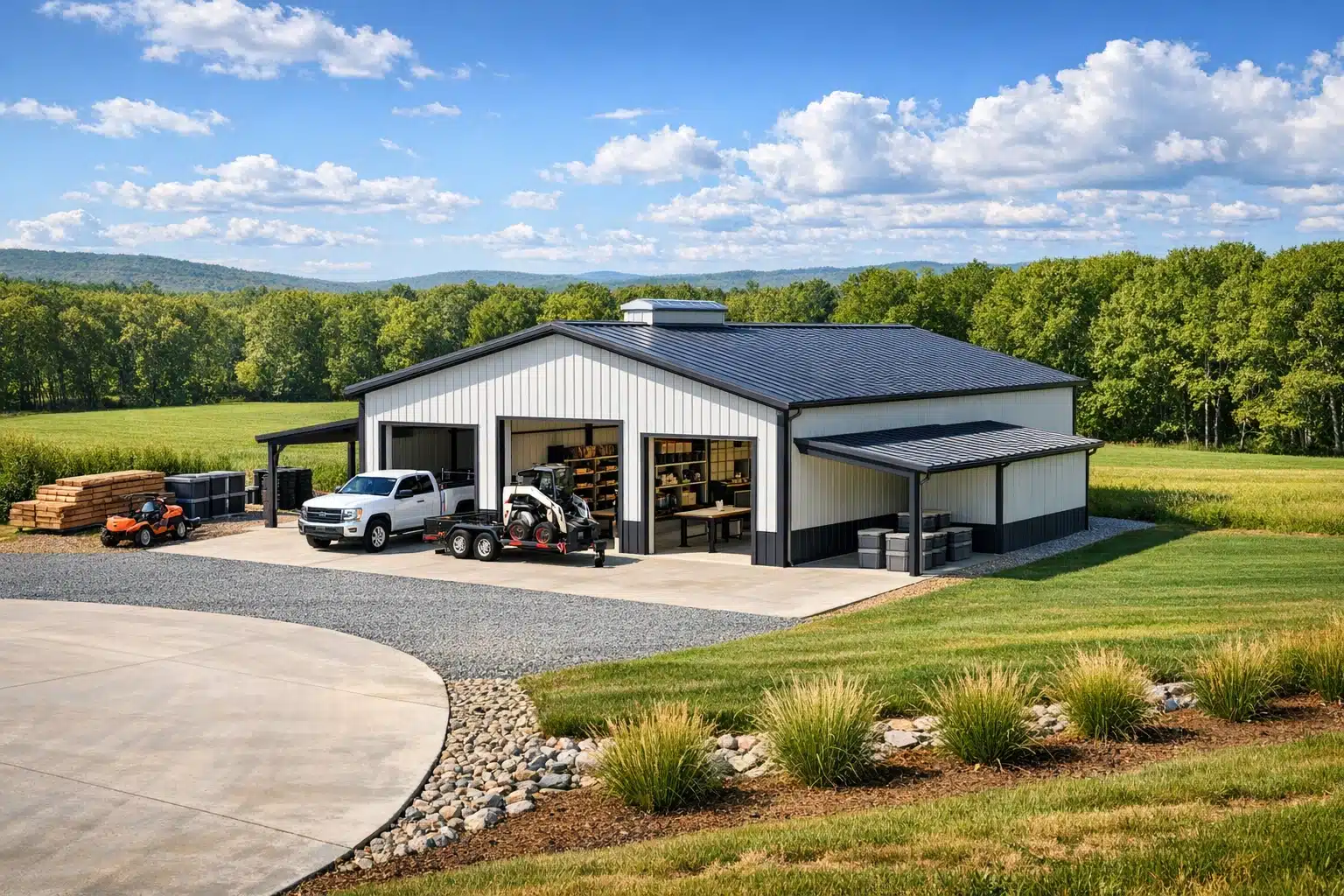
A custom metal garage is not simply a pre-cut shell dropped onto a concrete pad. At its best, it is a purpose-built structure designed around the realities of how you live, work, store, repair, and move. That distinction matters. A standard garage might technically hold a vehicle, but a custom one can be planned for oversized trucks, a fishing boat, lawn equipment, commercial tools, a lift, a workbench, shelving, or a combination of all of them. In practical terms, customization means adjusting dimensions, framing strength, door placement, roof style, ventilation, and interior features so the building supports your routine instead of getting in its way.
The appeal of metal construction begins with material behavior. Properly coated steel does not attract termites, it does not rot like untreated wood, and it generally requires less routine upkeep than many traditional outbuildings. That does not make steel indestructible, but it does make it highly attractive for owners who want a durable structure with predictable performance. Many modern metal garages are pre-engineered, meaning components are designed to work together and can often be installed more quickly than a fully site-built wood structure. When engineered to local requirements, they can also be configured for wind, snow, and anchoring conditions that matter in the real world, not just on a brochure.
Compared with wood garages, custom metal garages often win on speed, structural consistency, and resistance to pests. Compared with masonry buildings, they may offer a lower barrier to entry in terms of labor and construction complexity. Their biggest strength, though, is flexibility. A metal garage can be compact and efficient, or broad and ambitious. It can stand quietly beside a suburban home or serve as a hardworking utility building on rural land.
Some of the most common reasons people choose a custom metal garage include:
• protecting vehicles from sun, hail, snow, and debris
• creating a workshop with better organization
• storing landscaping, farm, or recreational equipment
• adding usable space without building a full addition
• separating noisy or messy projects from the main home
Think of it as a tool with walls. When designed well, it reduces clutter, protects investments, and gives a property a more deliberate shape. That is why the topic matters: a custom metal garage is not only a building purchase, but also a decision about convenience, security, and the everyday rhythm of a property.
Design Choices: Size, Layout, Roof Style, Doors, and Everyday Function
The design phase is where a custom metal garage stops being a generic idea and starts becoming your building. Size is the first and most obvious decision, but it is rarely just about square footage. It is about clearance, movement, workflow, and future needs. A two-car garage, for example, may sound adequate on paper, yet feel cramped once you account for door swing, storage racks, a freezer, bicycles, and the habit most households have of accumulating “just one more thing.” Common residential footprints such as 20×20, 24×30, and 30×40 can all work, but the right choice depends on what will happen inside the structure, not just what can technically fit inside it.
Layout deserves equal attention. Door placement affects maneuverability. Side entries change how easily people access tools without opening a large overhead door. Window locations influence daylight and security. Interior height matters more than many buyers expect, especially if they want a car lift, tall shelving, a camper, or better air circulation. In many cases, a few added feet in eave height can make the difference between a building that merely contains belongings and one that actually feels comfortable to use.
Roof style is another major variable. Metal garages are often offered with regular roofs, A-frame or boxed-eave roofs, and vertical roofs. Vertical roof systems are frequently preferred for larger buildings or areas with heavy rainfall and snow because the panel orientation helps water and debris move off the roof more efficiently. That may sound like a small technical detail, yet it influences maintenance, appearance, and long-term performance.
Useful design questions include:
• Will the garage hold only vehicles, or also tools, parts, and seasonal storage?
• Do you need one large overhead door or several smaller openings?
• Is ventilation important for woodworking, welding, or mechanical work?
• Will insulation be added now or later?
• Should the building visually match the house, barn, or fence line?
Customization also extends to aesthetics. Trim color, panel color, wainscoting, cupolas, lean-tos, and mixed-use bays can transform the building from a plain utility box into something that feels intentional. This is where metal garages surprise people. They can be functional without looking industrial, and efficient without feeling temporary. A well-designed garage reads less like an afterthought and more like a confident extension of the property.
Materials, Engineering, and Weather Performance: What Determines Durability
If design answers the question “How will the garage be used?”, materials and engineering answer the tougher question: “How will it hold up?” This is where buyers need to look past color charts and focus on the structural details that shape performance over the long term. Not all metal garages are built to the same standard. Frame gauge, panel thickness, coating quality, bracing, fasteners, and anchoring methods all influence how well the building resists stress, moisture, and time.
In many markets, buyers will encounter framing options such as 14-gauge and 12-gauge steel. In general terms, 12-gauge framing is thicker and often selected when greater strength is desired, especially for larger buildings or harsher weather regions. Panel thickness is commonly discussed using numbers such as 29-gauge and 26-gauge. Here, the lower number usually indicates thicker steel. Those details should not be judged in isolation, but they are important because a garage is only as dependable as the system holding it together.
Corrosion resistance matters just as much as raw strength. Galvanized steel uses a protective zinc coating to reduce rust risk, which is especially valuable in humid, coastal, or high-precipitation environments. Even so, long-term performance improves when water runoff is managed properly, roof lines are chosen for the climate, and drainage keeps standing water away from the base. A garage may be made of steel, but its lifespan still depends on thoughtful installation and site management.
Insulation and condensation control are often overlooked until the first cold morning or humid afternoon. Bare metal can sweat when warm, moist air meets a cooler surface. For owners using the space as a workshop or storage area, that moisture can affect tools, cardboard boxes, electronics, and comfort. Common approaches include:
• reflective or bubble-style barriers for basic condensation control
• fiberglass systems for better thermal performance
• rigid board insulation in selected assemblies
• ridge vents, gable vents, or fans to improve airflow
Engineering should also match local conditions. Snow load, wind exposure, and foundation requirements differ sharply by region. A garage suited to a mild climate may not be appropriate where storms are stronger or winters are heavier. That is why certified drawings and code-aware engineering can be more important than a low starting price. Steel performs impressively when the details are right. Like a good bridge or a reliable tool chest, it rewards precision. The structure may look simple from the driveway, but the real story is hidden in the frame, the anchors, and the decisions made before the first panel goes up.
Budget, Permits, Site Preparation, and Installation: Where Projects Succeed or Stall
One reason custom metal garages attract so much interest is that they can offer strong value for the usable space they provide. Still, the building package itself is only one part of the financial picture. Buyers often focus on the headline price and then discover that site work, concrete, electrical service, upgraded doors, insulation, drainage, and local permit fees can reshape the budget quickly. A realistic plan starts by separating the project into categories rather than treating it as a single purchase.
The biggest cost drivers usually include building size, frame gauge, panel thickness, roof style, door count, insulation level, and engineering requirements. A larger opening for an RV or equipment trailer may increase price because it changes framing demands. A vertical roof often costs more than a simpler roof configuration, but may be a better fit in wet or snowy climates. Windows, walk-in doors, lean-tos, liners, and color upgrades also add up. None of these choices are automatically unnecessary; they simply need to be tied to actual use.
Site preparation is where many projects either stay on schedule or start drifting. The ground should be level, well-drained, and ready for the chosen foundation system. Depending on the building and local code, that could mean a concrete slab, piers, or another approved base. Access for delivery and installation equipment also matters. A beautiful garage plan can hit a wall if trucks cannot reach the site or if drainage problems were ignored.
A practical pre-build checklist often includes:
• verifying property lines and easements
• checking zoning and homeowner association rules
• confirming local permit requirements
• deciding on slab thickness and anchor type
• planning electrical, lighting, and future outlet locations
• preparing for gutters, grading, and runoff control
Installation time varies by complexity, weather, crew availability, and how ready the site is when materials arrive. Some metal garage shells go up comparatively quickly, but quick assembly should not be confused with careless assembly. Proper anchoring, squaring, sealing, and trim work matter. This is also the stage when communication with the supplier or installer becomes critical. Ask what is included, what is excluded, and what conditions could trigger added cost. A custom metal garage can be a smooth project, but only when expectations are defined before the first invoice and the first delivery truck appear at the gate.
Conclusion: Is a Custom Metal Garage the Right Choice for You?
For the right buyer, a custom metal garage is one of the most practical upgrades a property can receive. It creates order where there was once crowding, protection where there was once exposure, and working space where there was once compromise. Homeowners who are tired of squeezing past bicycles and storage bins in an attached garage often appreciate the breathing room. Hobbyists value a space that can handle noise, dust, tools, and long projects without taking over the house. Small business owners, landscapers, contractors, and rural property owners often see the building as a productivity asset rather than a simple outbuilding.
The smartest decision comes from matching the structure to the job. If you need a dry, durable place for vehicles and equipment, metal is compelling. If you want a workshop, height, ventilation, and electrical planning should move up the priority list. If weather is severe, stronger framing, better anchoring, and a roof system suited to local conditions deserve more attention than cosmetic upgrades. In other words, the right garage is not always the cheapest package or the largest footprint. It is the one whose design choices make daily life easier five years from now, not just easier to order this week.
Long-term upkeep is usually straightforward, especially when compared with structures that demand frequent painting or are vulnerable to rot and insects. Owners can protect their investment with habits such as:
• inspecting fasteners and trim periodically
• clearing leaves or debris from roof edges and gutters
• keeping water away from the slab or base perimeter
• touching up scratches if coatings are damaged
• checking door hardware, seals, and ventilation openings
The real value of a custom metal garage lies in fit. A well-planned building feels calm, useful, and ready for whatever the property asks of it next. For readers comparing options now, the best next step is simple: define your needs honestly, measure more carefully than you think necessary, and treat engineering and site preparation as part of the product, not side notes. Do that, and a custom metal garage can become one of the most dependable spaces on your property.