Understanding Prefabricated Homes and Their Benefits
Prefabricated houses have moved far beyond the old stereotype of plain, temporary boxes. Today they sit at the center of a serious housing conversation because buyers want faster build times, clearer pricing, better energy performance, and more predictable construction quality. Whether you are a first-time buyer, a downsizer, or an investor, understanding how prefab homes are designed, sold, financed, and installed can save money, time, and frustration. This guide walks through the market in practical terms so you can compare options with confidence.
What Prefabricated Houses for Sale Really Mean
Before comparing listings, it helps to understand what the term prefabricated actually covers. In simple terms, a prefabricated home is built partly or largely in a factory and then transported to the final site for assembly or installation. That sounds straightforward, but the category is wider than many buyers expect. Some prefab homes arrive in large completed sections, while others come as wall panels, structural components, or carefully packaged kits that are finished on site.
A useful outline for approaching the market looks like this:
- Understand the main prefab categories.
- Separate the base house price from the full project cost.
- Check land, zoning, and utility requirements early.
- Compare build speed, design flexibility, and long-term value.
The major prefab formats include modular homes, manufactured homes, panelized homes, and kit homes. A modular home is built in sections in a factory and assembled on a permanent foundation. Manufactured homes are also factory-built, but they follow a different regulatory path and are often associated with the HUD Code in the United States. Panelized homes use factory-made wall, roof, or floor systems, while kit homes ship as pre-cut or packaged materials for local assembly. All of these can be sold as new housing solutions, but they are not interchangeable.
One of the biggest misconceptions is that prefab automatically means cheap. In reality, prefab can be affordable, mid-market, or premium depending on materials, layout, finishes, transport distance, and site conditions. A modest single-story modular home may compete closely with conventional construction on price, while an architect-designed prefab with large glass spans, energy-efficient systems, and custom cladding can cost much more. The factory setting improves consistency, but it does not magically erase the cost of good design, labor, or land.
Another important point is that the home is only part of the project. Even when the structure is mostly factory-built, the buyer still needs site preparation, foundation work, permits, utility hookups, transportation, and final finishing. Think of it like ordering a beautifully engineered ship in a bottle: the craftsmanship may happen elsewhere, but the display case still has to be built where it will live. That is why serious buyers evaluate prefab houses not as isolated products, but as complete real estate projects.
Types of Prefab Homes and How They Compare
For buyers browsing prefabricated houses for sale, the smartest comparison is not between pretty photos but between systems. Each prefab type offers a different balance of speed, customization, code compliance, and cost control. Knowing those trade-offs makes listings much easier to evaluate.
Modular homes are often the most familiar option for buyers who want a house that feels close to conventional site-built construction. These homes are manufactured in large sections, shipped to the property, and placed on a permanent foundation. Because substantial work happens indoors, weather delays can be reduced during production, and quality control can be more consistent. Modular homes are often attractive to buyers who want a standard mortgage path, a broad range of layouts, and a finished result that blends easily into established neighborhoods.
Manufactured homes are another major category. They are built entirely in factories and transported on a chassis to the site. Modern manufactured homes can be spacious, efficient, and far more visually appealing than older assumptions suggest. However, financing, land ownership, zoning acceptance, and resale behavior can differ from modular homes, especially if the home sits on leased land rather than owned land. Buyers should look carefully at foundation type, community rules, and local market attitudes.
Panelized and kit homes appeal to a different kind of buyer. They can allow more customization, and in some cases they simplify transport because components are shipped flat or semi-assembled rather than as full volumetric sections. This can be useful on rural or difficult sites. The trade-off is that more labor may shift back to the local construction team, which means your end result depends heavily on the skills and coordination of the builder on the ground.
Here is a practical comparison buyers often use:
-
Modular homes: strong balance of speed, finish quality, and mortgage compatibility.
-
Manufactured homes: often cost-effective, but financing and land setup matter greatly.
-
Panelized homes: flexible design potential with more on-site assembly.
-
Kit homes: appealing for hands-on owners or specialized builders, but coordination is crucial.
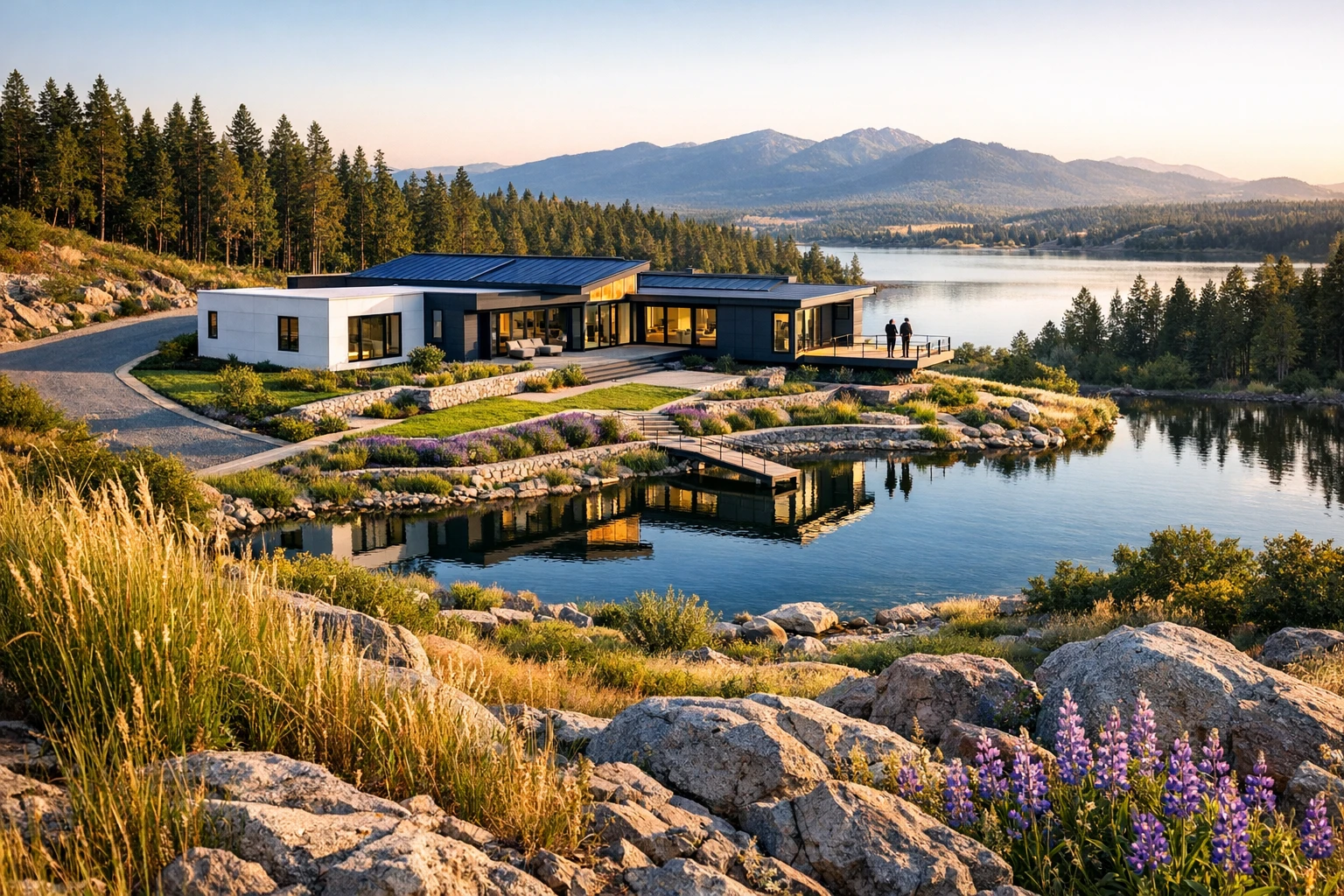
Design flexibility has also improved dramatically. Buyers can now find prefab cottages, farmhouses, contemporary glass-and-steel designs, family-sized suburban layouts, and compact homes for downsizing. Energy-efficient windows, upgraded insulation, heat pumps, solar-ready roofs, and smart-home systems are no longer unusual. In other words, prefab is not one look or one lifestyle. It is a construction method with multiple expressions, from practical starter home to highly polished modern retreat.
Costs, Financing, and the True Price of a Prefab Home
The most important number in any prefab listing is often the one that is not shown first. Advertised prices may represent the base structure, a partially finished package, or a more complete turnkey option. Unless you know exactly what is included, comparing listings can feel like comparing apples, bricks, and blueprints. A realistic budget has to go beyond the sticker price of the house itself.
The total cost of a prefabricated home commonly includes several layers. First is the factory price of the home or package. Then come land costs, site clearing, grading, foundation work, transportation, crane service if required, permits, utility connections, septic or sewer setup, driveway work, porches, garages, landscaping, and interior finishing items that may not be included in the base quote. On some properties, site work alone can add tens of thousands of dollars, especially when excavation, retaining walls, or long utility runs are needed.
Buyers should ask for a written scope that clearly identifies what is included and what is excluded. Helpful questions include:
- Is the price for the house only, or for a move-in-ready project?
- Are appliances, flooring, and fixtures standard or upgrade items?
- Does the quote include transport and on-site set costs?
- Who is responsible for permits, inspections, and utility hookups?
- What contingencies apply if fuel, shipping, or material costs change?
Financing also varies by prefab type. Modular homes on permanent foundations are often financed through construction loans that convert to standard mortgages, though requirements differ by lender. Manufactured homes may qualify for mortgage-style financing in some situations, but buyers also encounter chattel loans, especially when land is not included. Interest rates, down payment requirements, and loan terms can therefore differ more than people expect. Insurance and appraisal rules may also depend on the home category, foundation, and location.
Long-term value should be part of the math as well. A well-sited, well-maintained modular home in a strong market can perform similarly to other single-family housing, while the value path of a manufactured home may depend more heavily on land ownership and local demand. Energy efficiency can also affect monthly costs. Better insulation, controlled factory assembly, and modern building systems may reduce heating and cooling bills over time. The result is that prefab homes can be financially sensible, but only when buyers look at the full project, not the headline number glowing on the brochure like a too-friendly spotlight.
How to Buy Wisely: Land, Permits, Delivery, and Installation
Buying a prefabricated house is not like ordering furniture, even if the sales process can sometimes look deceptively simple online. The home may be factory-built, but the success of the project depends on a chain of decisions that happen before the first module leaves the plant. Buyers who handle these early steps carefully usually avoid the most expensive surprises.
Land comes first. If you already own a lot, confirm zoning, setback rules, minimum size requirements, design restrictions, road access, and utility availability before committing to a model. Some municipalities welcome modular housing but regulate manufactured homes differently. Some neighborhoods and homeowners associations have design standards related to roof pitch, foundation type, exterior materials, or garage placement. A beautiful floor plan is useless if it cannot legally sit on your land.
Next comes site readiness. Soil conditions affect foundation design. Sloped land may require more excavation or engineered support. Rural parcels can need wells, septic systems, and longer electrical runs. Tight urban lots may create transport and crane challenges. A prefab home arrives with precision, but the site must be ready to receive it with equal precision. If the foundation is off, or the delivery path is blocked, the schedule can quickly unravel.
Buyers should also understand the difference between buying through a dealer, a manufacturer, and a full-service design-build company. Each route has advantages:
- Dealers can offer multiple models and local market experience.
- Manufacturers may provide direct product knowledge and factory options.
- Design-build firms can simplify coordination from planning through installation.
Permits and inspections deserve special attention. Depending on the region, you may need approvals for grading, foundation, septic, electrical work, occupancy, and transportation logistics. Ask who pulls the permits, who schedules inspections, and who is responsible if delays occur. Delivery timelines should also be documented in writing. Factory completion may be fast, but move-in depends on scheduling, weather, site work, transportation slots, and subcontractor availability.
A careful buyer usually builds a checklist that includes land due diligence, utilities, financing preapproval, model specifications, contract terms, warranty coverage, delivery coordination, and final punch-list items. That may sound less romantic than imagining a house arriving like a gift, ribbon and all, but it is exactly what protects your budget. In prefab buying, excitement is useful, but preparation is what turns a plan into a front door that actually opens on schedule.
Who Prefab Homes Suit Best and What Smart Buyers Should Remember
Prefabricated houses for sale make the most sense for buyers who value structure in both senses of the word: a structured process and a physical home built with repeatable methods. They can be a strong fit for first-time buyers who want clearer planning, retirees looking to downsize without managing a long custom build, families building on privately owned land, and investors seeking predictable construction workflows for rental or secondary housing. In areas where local labor shortages slow conventional building, prefab can also offer a practical route forward.
That said, prefab is not automatically the right answer for everyone. Buyers who want endless mid-project changes may find the process less forgiving, because factory production works best when decisions are made early and kept stable. People building on highly constrained lots may face transport or crane limitations. Buyers focused only on the advertised base price can also be disappointed if they overlook site costs, permits, land preparation, and utility work. Prefab rewards clarity; it punishes assumption.
A useful final filter is to ask whether your priorities match prefab’s strengths. It may be a good option if you want:
- More predictable construction stages.
- Potentially shorter overall timelines once approvals are in place.
- Controlled factory conditions for much of the build.
- A wide menu of models, layouts, and efficiency upgrades.
You may need to proceed more cautiously if your project depends on unusual site access, highly customized architectural detailing, or vague budgeting. In those cases, the home itself may still be excellent, but the surrounding project complexity can reduce the advantages that prefab normally offers.
For the target audience, the clearest takeaway is this: treat a prefabricated house as a full real estate decision, not as a single product purchase. Look at the land, the financing, the regulations, the installation team, and the resale context with the same care you give the floor plan and finishes. When those pieces line up, prefab housing can deliver something many buyers are craving in a crowded market: a home buying path that feels more measurable, more deliberate, and less chaotic. And in a time when housing decisions often feel like a maze, that kind of clarity is not a small benefit. It is the map.